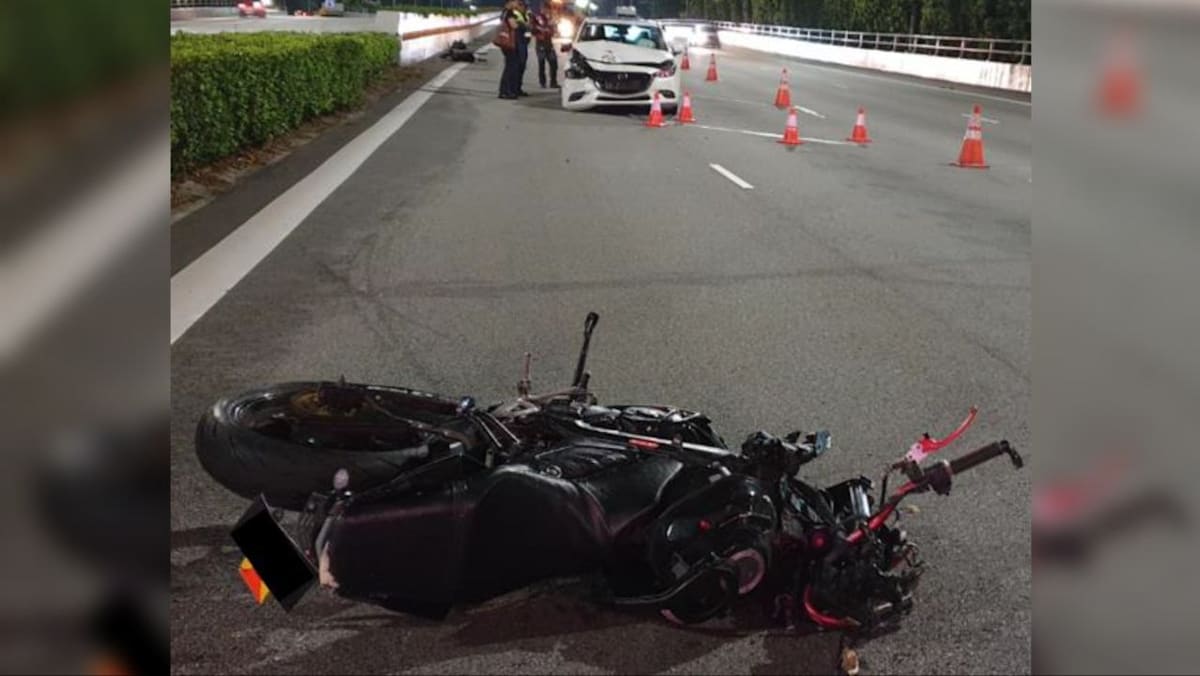
Man to be Charged with Driving Under Influence of Etomidate, Causing Death of Motorcyclist – CNA
A man faces charges for driving under the influence of etomidate, a sedative anesthetic, after a collision that resulted in the death of a motorcyclist. According to reports, the driver’s impairment from the drug was a primary factor in the fatal accident, leading authorities to pursue charges related to causing death through a reckless or negligent act while intoxicated.
Details of the Fatal Collision
The incident began when a vehicle operated by the accused collided with a motorcyclist, leading to fatal injuries for the rider. Police reports indicate that the driver was not under the influence of alcohol or common recreational narcotics, but rather a specific medical anesthetic known as etomidate. The collision occurred during a period of active traffic, and the severity of the impact suggests a significant lack of driver reaction or control.
Emergency services responded to the scene, where the motorcyclist was pronounced dead. Following the crash, investigators conducted toxicology screenings on the driver. These tests revealed the presence of etomidate in the man’s system, which provided the basis for the current charges. The legal proceedings now center on whether the driver knowingly ingested the substance and the extent to which it impaired his cognitive and motor functions during the operation of the vehicle.
Key facts regarding the incident include:
- Primary Cause: Impairment due to etomidate.
- Victim: A motorcyclist who died from injuries sustained in the crash.
- Legal Status: The driver is pending charges for driving under the influence and causing death.
- Evidence: Toxicology reports confirming the presence of a sedative anesthetic.
What is Etomidate and How Does It Affect Driving?
Etomidate is not a typical “street drug” or a common prescription medication found in home medicine cabinets. It is a short-acting, intravenous anesthetic agent used primarily in hospital settings to induce general anesthesia or for sedation during intubation. According to medical literature, etomidate is favored in clinical settings because it maintains hemodynamic stability, meaning it does not drop the patient’s blood pressure as sharply as other anesthetics.
However, when used outside of a controlled medical environment, etomidate poses extreme risks. As a sedative, it suppresses the central nervous system. For a driver, this translates to a catastrophic loss of coordination, slowed reaction times, and a diminished ability to perceive hazards. The drug induces a state of sedation that can lead to “micro-sleeps” or a complete loss of consciousness, making the operation of a motor vehicle virtually impossible to do safely.
“Etomidate is designed to render a patient unconscious for surgery. Using such a potent sedative while operating heavy machinery or a vehicle is fundamentally incompatible with road safety.”
Etomidate vs. Common Intoxicants
Most DUI cases involve alcohol or cannabis, which have well-established legal limits (such as blood alcohol concentration). Etomidate is different. Because it is a specialized medical drug, there is no “standard” legal limit for driving; any amount that impairs a driver’s ability to operate a vehicle safely can be grounds for a charge. This makes the case unique compared to standard traffic offenses.
| Substance | Common Use | Primary Driving Impairment | Legal Detection |
|---|---|---|---|
| Alcohol | Recreational | Slowed reaction, poor judgment | Breathalyzer / Blood Test |
| Cannabis | Medical/Recreational | Altered perception, slow response | Blood / Urine Test |
| Etomidate | Clinical Anesthesia | Severe sedation, loss of consciousness | Advanced Toxicology |
Legal Implications of Driving Under the Influence of Anesthetics
The legal framework for “driving under the influence” typically extends beyond alcohol to include any drug or substance that impairs the driver. In this specific case, the man is being charged not just for the presence of the drug, but for the outcome: the death of another road user. This elevates the crime from a simple traffic violation to a serious criminal offense.
Prosecutors will likely focus on several key areas during the trial:
- Intent and Knowledge: Whether the accused obtained the etomidate illegally or misused a prescription.
- Level of Impairment: Using toxicology data to prove that the concentration of the drug in the bloodstream was sufficient to cause the accident.
- Causality: Establishing a direct link between the sedation caused by etomidate and the failure to avoid the motorcyclist.
Under most jurisdictions, causing death by dangerous driving while under the influence carries heavy penalties, including significant prison time and the permanent revocation of driving privileges. The use of a clinical anesthetic may be viewed by the court as an aggravating factor due to the extreme nature of the impairment.
For more information on road safety laws, you may find a related explainer on traffic offense penalties useful.
The Danger of Non-Prescription Sedative Use
The appearance of etomidate in a DUI case highlights a concerning trend regarding the misuse of clinical-grade sedatives. Unlike opioids or stimulants, which are often abused for euphoria, anesthetics like etomidate are used to induce a state of oblivion. When these drugs enter the illicit market or are misused, the risk of accidental overdose or fatal accidents increases exponentially.
Medical professionals warn that using anesthetics without professional supervision is lethal. Beyond the risk of causing a car accident, etomidate can cause respiratory depression and other systemic failures if not administered with the proper equipment to maintain a patient’s airway. The fact that the driver was able to get behind the wheel while under the influence suggests a dangerous lack of awareness regarding the drug’s potency.
Common Misconceptions About Drug Impairment
A common misconception is that if a person does not “feel” drunk or high, they are fit to drive. However, sedatives like etomidate work by depressing the brain’s activity. The driver may not feel “intoxicated” in the traditional sense but may instead experience a profound slowing of cognitive processes. This “silent impairment” is often more dangerous than alcohol intoxication because the driver may believe they are functioning normally right up until the moment of impact.
Impact on Road Safety and Public Policy
This case serves as a stark reminder of the vulnerability of motorcyclists in road accidents. Because motorcycles offer no structural protection, any impairment by a driver in a larger vehicle almost always results in catastrophic injuries or death for the rider. Public safety advocates argue that this incident underscores the need for more comprehensive roadside drug testing that goes beyond the most common substances.
Currently, many police forces rely on screenings for alcohol and a few common narcotics. The detection of etomidate requires more sophisticated toxicology screens. If law enforcement agencies are to combat the use of diverse pharmaceutical sedatives on the road, there may be a push for expanded testing capabilities at the scene of accidents.
Potential policy shifts following such cases often include:
- Stricter Control of Anesthetics: Increasing the oversight of how clinical sedatives are stored and distributed in hospitals to prevent theft or leakage into the community.
- Enhanced Driver Education: Warning the public about the dangers of using any sedative, prescription or otherwise, before driving.
- Advanced Toxicology Integration: Investing in technology that allows police to screen for a wider array of pharmaceutical agents during traffic stops.
Comparing the Case to Standard DUI Incidents
When comparing this incident to standard DUI cases, the “Man to be charged with driving under influence of etomidate, causing death of motorcyclist – CNA” story stands out due to the substance involved. In a typical alcohol-related fatality, the defense often argues about the specific blood alcohol limit or the timing of the last drink. In an etomidate case, the defense has fewer “standard” benchmarks to rely on.
The use of a surgical anesthetic is an extreme deviation from normal behavior. While a driver might mistakenly believe they are “sober enough” after a few drinks, it is much harder to argue that one is “sober enough” after taking a drug designed to knock a person out for surgery. This distinction may lead the prosecution to argue for a higher degree of negligence or recklessness.
For further context on how different substances are treated in court, see our guide to pharmaceutical impairment laws.
Frequently Asked Questions
What is etomidate?
Etomidate is a fast-acting intravenous anesthetic drug used in hospitals to induce general anesthesia for surgery or to sedate patients during medical procedures. It is not intended for personal use or recreational use.
Can etomidate be detected in a standard breathalyzer test?
No. Breathalyzers are designed specifically to detect alcohol. Etomidate can only be detected through blood or urine toxicology tests conducted in a laboratory.

Why is etomidate particularly dangerous for drivers?
Because it is an anesthetic, it causes severe sedation, suppresses the central nervous system, and can lead to a loss of consciousness. This eliminates a driver’s ability to react to traffic, maintain lane position, or brake in an emergency.
What are the potential charges for driving under the influence of a sedative?
Charges typically include driving under the influence (DUI) or driving while impaired. If the impairment leads to a fatal accident, the charges can be upgraded to causing death by dangerous driving or vehicular manslaughter, depending on the jurisdiction.
How does etomidate differ from other sedatives like benzodiazepines?
While benzodiazepines (like Valium or Xanax) are used for anxiety and sleep, etomidate is a much more potent agent used for total unconsciousness (anesthesia). The level of impairment is significantly more profound and immediate.
The legal process for the accused will continue as the court examines the toxicology evidence and the circumstances surrounding the acquisition of the drug. This case highlights the intersection of medical pharmaceutical control and public road safety, reminding the public that any form of chemical impairment can have lethal consequences.
