
European Union lawmakers and human rights advocates are urging authorities to deny visas to Taliban representatives invited to Brussels by the European Commission. The proposed meetings, intended to address migration issues, have sparked accusations that the EU is legitimizing a criminal regime while Afghan refugees in Europe face increasing instability.
- Core Conflict: Proposed EU Commission meetings with Taliban representatives to discuss migration.
- Primary Opposition: EU lawmakers and the International Federation for Human Rights (FIDH).
- Humanitarian Risk: Afghan exiles in Sweden reporting fear of execution if deported.
The Diplomatic Pushback Over Taliban Visas
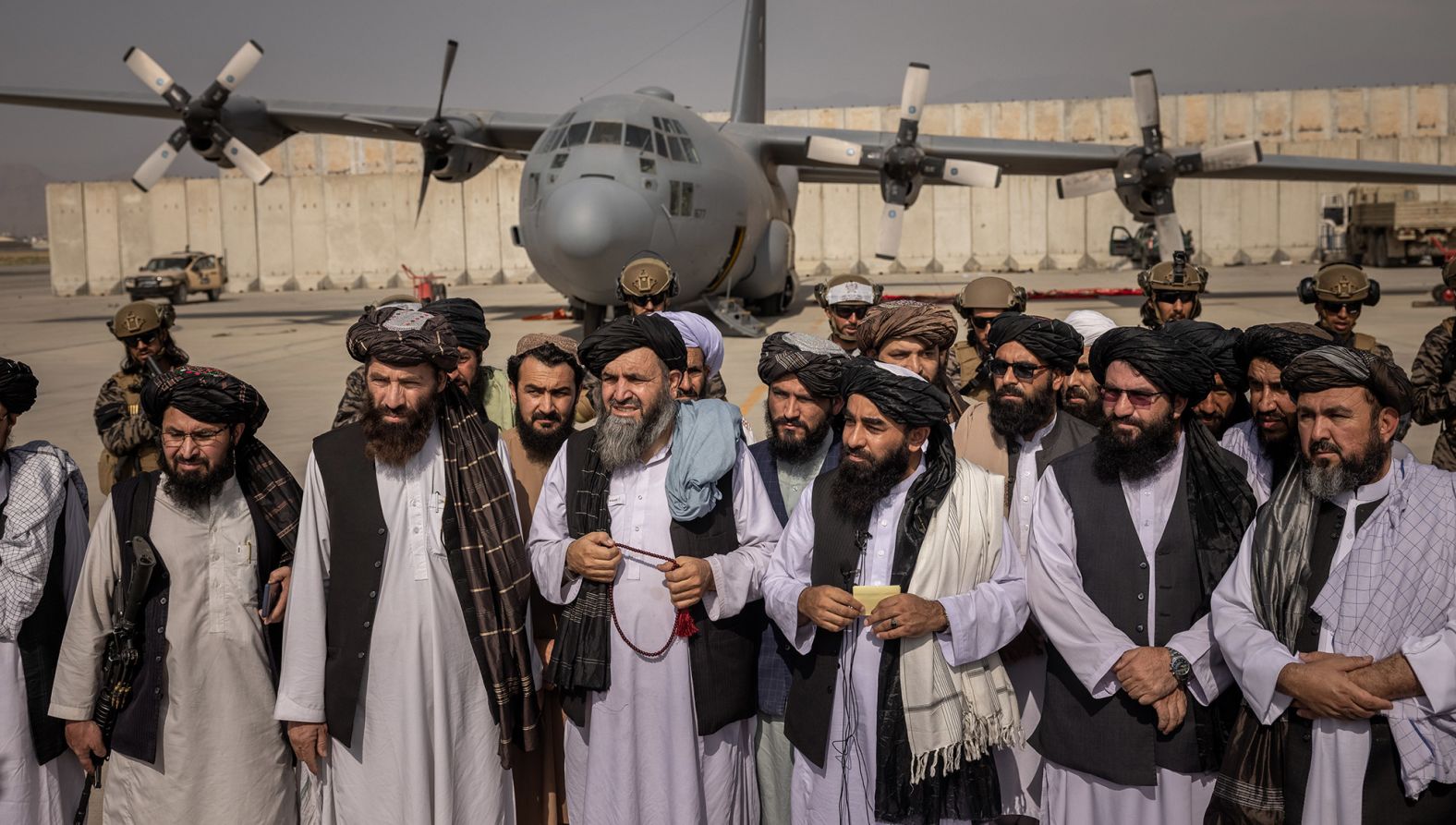
Members of the European Parliament are calling on Maxime Prévot to block the issuance of visas for Taliban officials. The representatives were invited by the European Commission to participate in discussions regarding migration, a move that has met with sharp resistance from within the EU’s own legislative body. According to public statements, lawmakers view the granting of these visas as a problematic diplomatic step that contradicts the humanitarian crises currently facing Afghan nationals.
Human Rights Warnings and the Risk of Legitimacy
The International Federation for Human Rights (FIDH) has formally intervened through an open letter regarding the proposed meetings in Brussels. The organization and other critics argue that engaging with the Taliban in this manner risks providing the group with international legitimacy. Some observers have gone further, characterizing the European Union as an accomplice to the criminal Taliban
by facilitating these diplomatic channels.
The tension highlights a divide between the Commission’s pragmatic approach to managing migration flows and the moral and legal objections raised by human rights monitors who argue that the Taliban’s criminal nature precludes such diplomatic recognition.
Refugees in Sweden Fear Forced Return
While diplomatic debates continue in Brussels, the practical consequences for Afghan exiles are manifesting in Northern Europe. In Sweden, Afghans living in exile report a climate of fear and instability, with many dreading the possibility of being forced back to their home country.
If I am sent back to Afghanistan, they will kill me.
Afghan refugee in Sweden
Local reports describe the current state of Afghan exiles in Sweden as a huge waste
, citing broken life paths and a lack of security. The fear of deportation is acute, as refugees argue that the current regime in Afghanistan poses a direct lethal threat to those who have sought asylum in the West.
