
Armenia’s Pro-Europe Party Secures Election Victory, Marking a Pivotal Shift Away from Russian Influence
In a decisive political move that has sent ripples across the South Caucasus, Armenia’s pro-European coalition has emerged victorious in recent elections, signaling a profound realignment in the nation’s foreign policy. The results, widely interpreted as a rejection of long-standing ties with Russia, have sparked a broader conversation about the future of regional geopolitics and the evolving dynamics between Eastern Europe and the European Union. This development, while significant in its own right, also reflects deeper societal and economic shifts within Armenia, as citizens navigate the complex interplay of historical alliances and contemporary aspirations.
The Election Outcome: A Defining Moment for Armenian Politics
The recent parliamentary elections in Armenia, held amid heightened political tensions and international scrutiny, saw the pro-Europe bloc secure a commanding majority. This victory, achieved despite pressure from traditional Russian allies, marks a turning point in the country’s post-Soviet trajectory. The coalition, led by the Civil Contract party under Prime Minister Nikol Pashinyan, campaigned on a platform emphasizing European integration, anti-corruption measures, and a reevaluation of Armenia’s strategic partnerships.
The election results have been met with both optimism and concern. Proponents argue that the shift toward Europe represents a long-overdue opportunity for Armenia to diversify its economic and diplomatic ties, while critics warn of potential instability and the risk of alienating Russia, a historically influential neighbor. The victory also underscores a growing public desire for transparency and reform, as voters sought to distance themselves from the political inertia that has characterized Armenia in recent years.
According to official election data, the pro-Europe coalition secured approximately 54% of the vote, far outpacing its rivals. This margin of victory, while not unprecedented in Armenian electoral history, is notable for its symbolic weight. It reflects a broader trend of public dissatisfaction with the status quo, particularly in the wake of the 2020 Nagorno-Karabakh war, which exposed vulnerabilities in Armenia’s security and governance structures.
Who Is Involved? Key Players and Their Stakes
The political landscape in Armenia is shaped by a complex web of actors, each with distinct interests and motivations. At the forefront is the Civil Contract party, which has positioned itself as a champion of European integration. Led by Nikol Pashinyan, the party has consistently advocated for closer ties with the EU, framing this as a path to economic revitalization and democratic consolidation.
Russia, however, remains a critical player in the region. As Armenia’s historical ally, Moscow has long maintained a significant influence over the country’s security and economic policies. The Russian government has expressed concerns about the pro-Europe shift, warning that it could destabilize the region. In a statement, the Kremlin emphasized its commitment to “preserving stability” in the South Caucasus, though it stopped short of explicitly condemning the election outcome.
Other key stakeholders include Armenia’s Armenian Revolutionary Federation (ARF), a political party with a strong base in the diaspora and a more nuanced stance on Russia. The ARF has called for a balanced approach, urging the government to maintain dialogue with Moscow while pursuing European integration. Additionally, civil society organizations and international observers have played a role in shaping the narrative, with many highlighting the importance of free and fair elections as a cornerstone of democratic governance.
Why This Matters: Geopolitical Implications and Regional Dynamics
The shift in Armenia’s political orientation has significant implications for the broader South Caucasus region. Historically, Armenia has been a key partner of Russia, with the two nations sharing a border, a deep military alliance, and a complex web of economic interdependencies. However, the pro-Europe coalition’s victory signals a potential realignment that could reshape these relationships.
For the European Union, Armenia’s move toward closer ties represents a strategic opportunity. The EU has long sought to expand its influence in the South Caucasus, and a more integrated Armenia could serve as a model for other countries in the region. The European Commission has already expressed interest in deepening cooperation, with discussions underway on potential trade agreements and political partnerships.
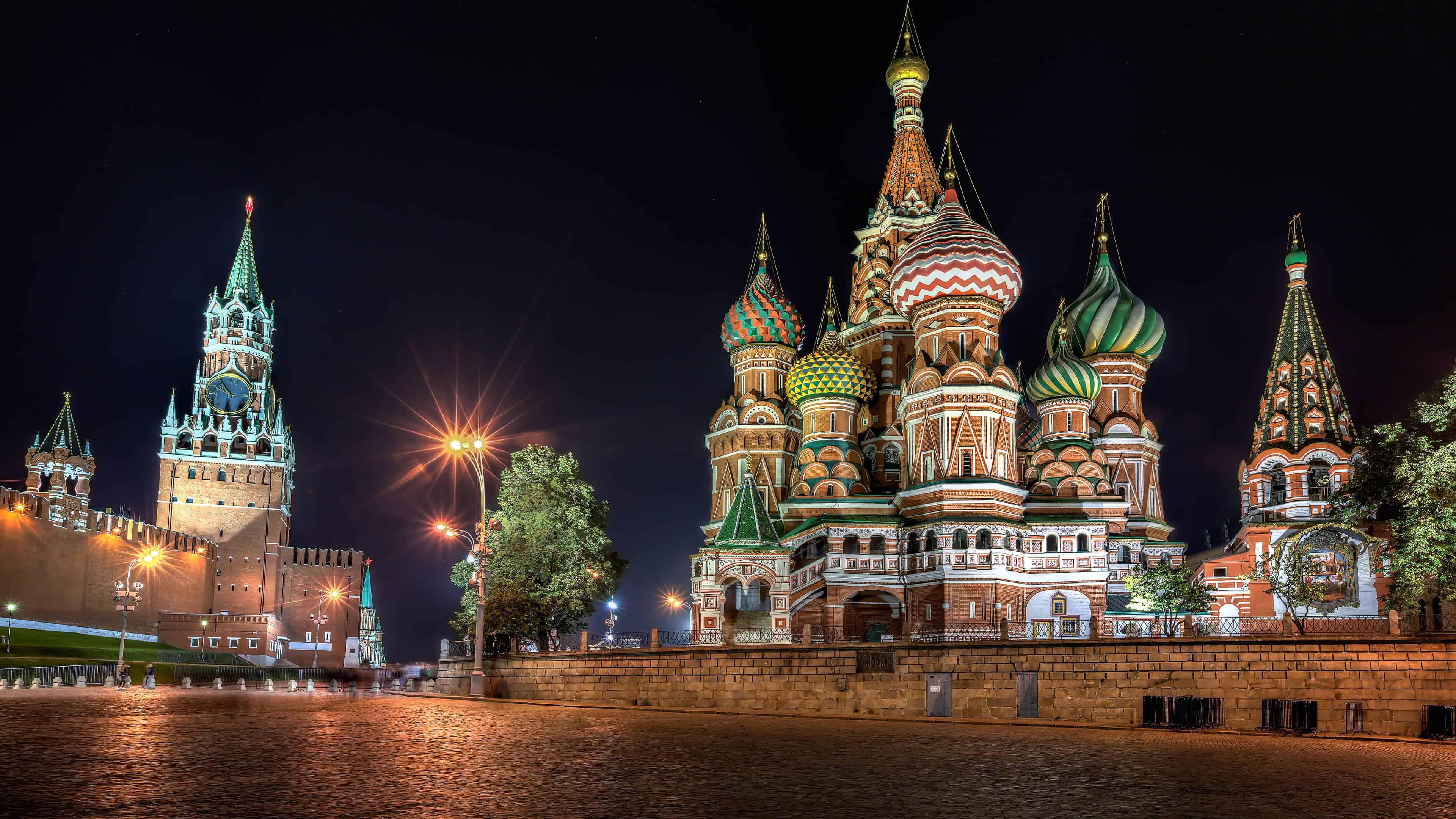
Conversely, the shift has raised concerns among Russian officials, who view it as a challenge to their regional dominance. Analysts note that Russia’s response will be critical in determining the trajectory of Armenia’s foreign policy. If Moscow perceives the pro-Europe shift as a threat, it may escalate pressure through economic or diplomatic means. However, some experts argue that Russia’s ability to exert influence is now more limited, given the country’s own economic challenges and the growing appeal of European integration among Armenian voters.
Within Armenia, the election outcome has also sparked debates about the nation’s identity and future. For many citizens, the pro-Europe stance represents a desire to break free from the constraints of the past and embrace a more open, transparent society. However, others fear that the shift could lead to instability, particularly if it strains relations with Russia. The challenge for the new government will be to navigate these competing interests while maintaining domestic unity.
Reactions and Expert Perspectives: A Divided Response
The election results have elicited a range of reactions from political analysts, regional leaders, and international observers. In the immediate aftermath, the European Union welcomed the outcome as a positive step toward greater integration. The EU’s High Representative for Foreign
